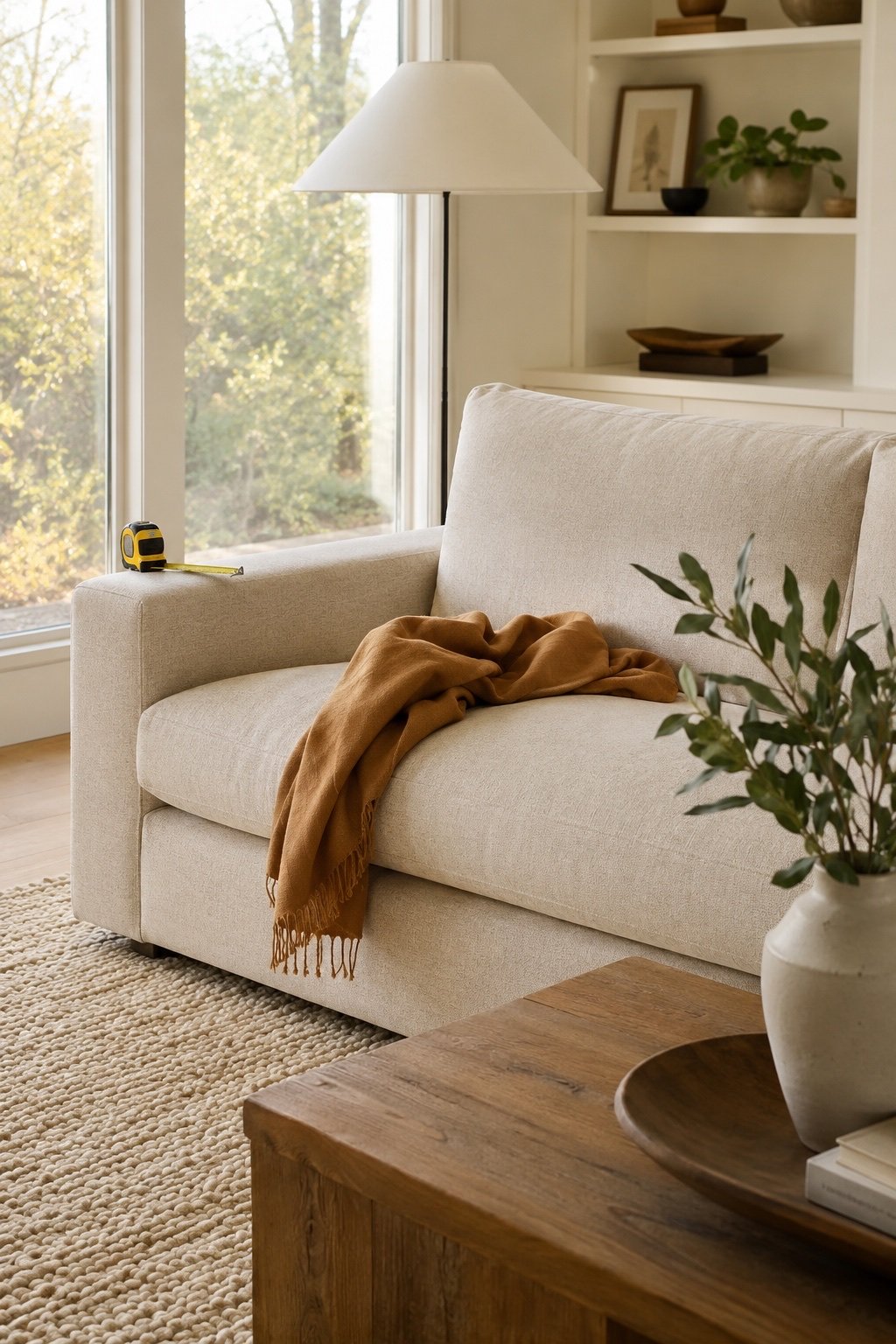
A sofa is the most expensive piece of fabric most of us will ever buy, and somehow the one we’re given the least real information about. Showrooms talk comfort; websites talk style. Nobody tells you what the numbers on the spec sheet actually mean for how the thing lives in your house for the next ten years.
This is the guide we wish someone had handed us: sizes, fabrics, construction, and honest price math. We compared spec sheets, warranty terms, and hundreds of owner reviews across the major retailers to put it together.
Size: the three measurements that actually matter
Length: measure the wall, then subtract
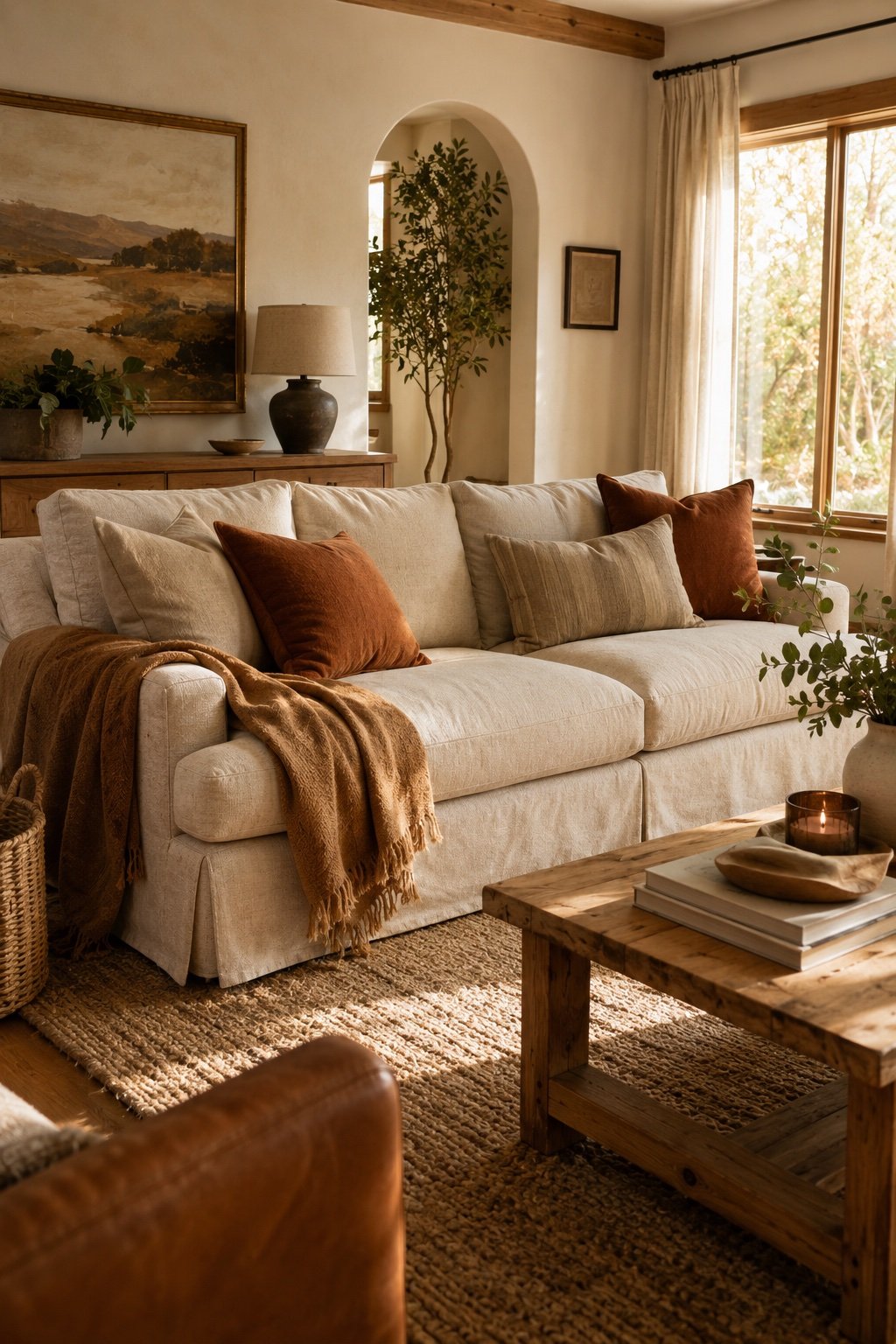
The old rule holds: your sofa should take up about two-thirds of the wall it sits on. A 96″ sofa on an 8-foot wall feels wedged in, not generous. Standard lengths run 72″–84″ for regular sofas and 90″+ for the “grand” versions; apartment sofas sit around 68″–76″.
Depth: this is where comfort actually lives
Overall depth of 35″–38″ with a seat depth of 21″–23″ suits people who sit upright and want to stand up easily. Deep-seat sofas (seat depth 24″+, overall 40″+) are for loungers and nappers: glorious if you curl up, awkward if you’re 5’4″ and like your feet on the floor. If you only check one measurement on the spec sheet, make it seat depth.
The door test everyone skips
Measure your narrowest doorway, hallway turn, and stairwell before falling in love. Compare against the sofa’s diagonal depth (most retailers list it under “shipping”). Sofas with removable legs and low backs forgive narrow entries; fully upholstered English roll-arms do not.
Construction: what you’re really paying for
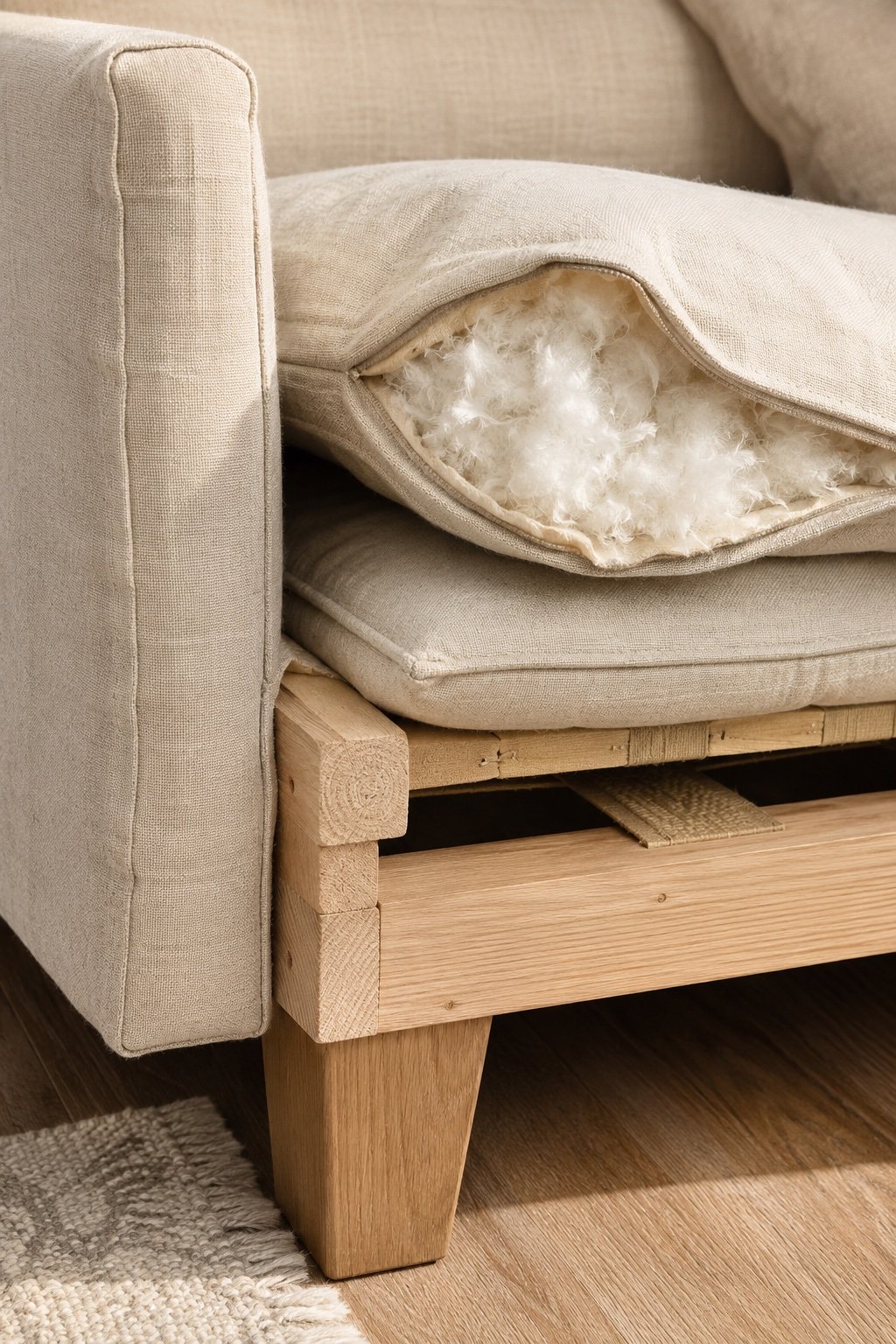
- Frame: kiln-dried hardwood is the gold standard and the phrase to look for. Softwood or particleboard frames are why a $600 sofa slumps by year three.
- Joints: corner blocks that are glued and screwed (or doweled) outlast staples alone, full stop.
- Suspension: eight-way hand-tied springs are the heirloom option; sinuous (S-shaped) springs are perfectly good in quality builds. Elastic webbing alone belongs in the budget tier and feels like it.
- Cushion fill: high-resiliency (HR) foam wrapped in down or fiber is the sweet spot: structure plus softness. Pure foam goes flat faster; pure down needs fluffing like a hotel pillow and sheds cost accordingly.
Fabric: an honest ranking for real households
Performance weaves (best all-around)
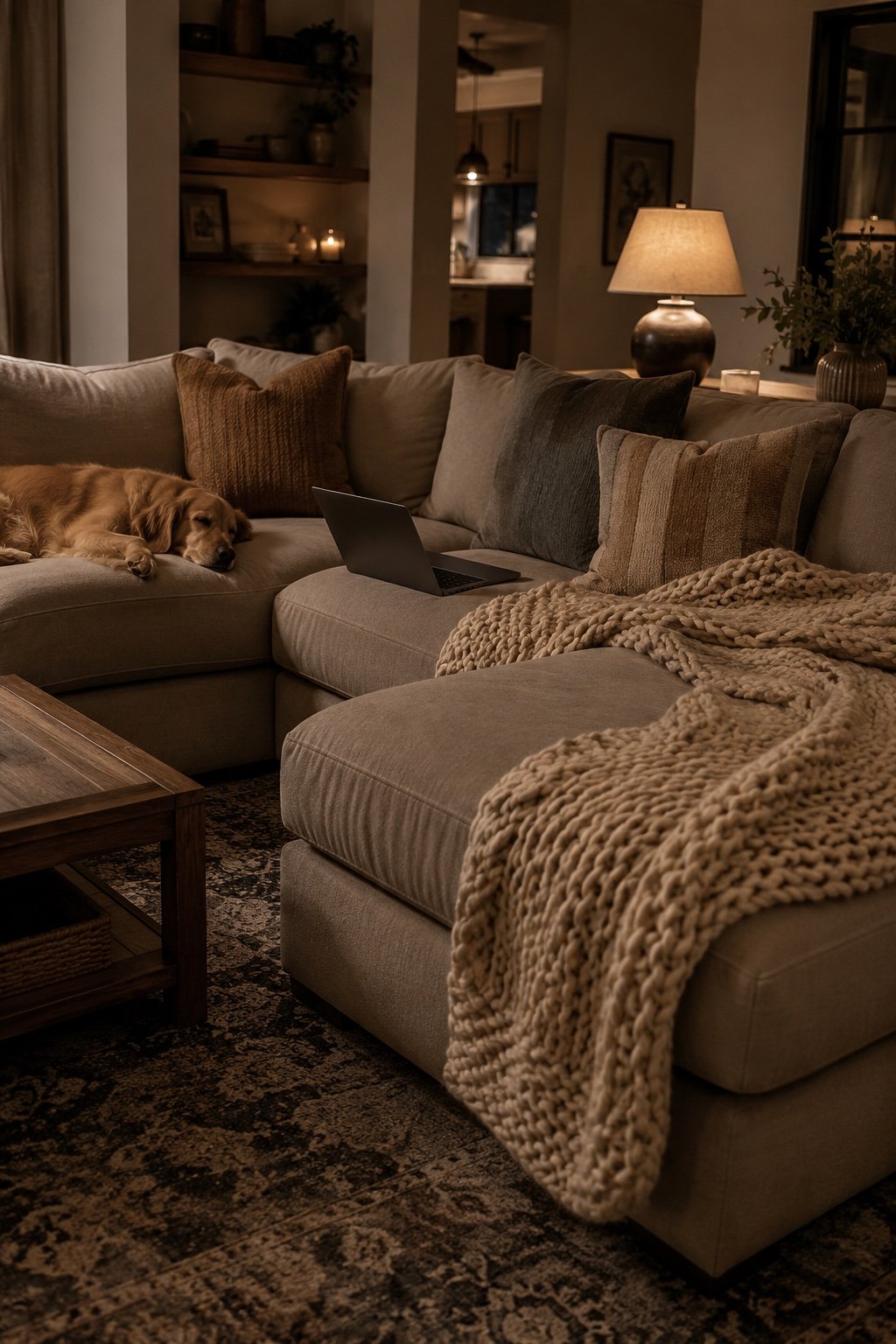
Solution-dyed polyester and acrylic blends sold as “performance” fabric genuinely resist stains and fading. With kids or pets, this is the category. Look for 25,000+ double rubs on the spec sheet for everyday sofas.
Leather (best aging curve)
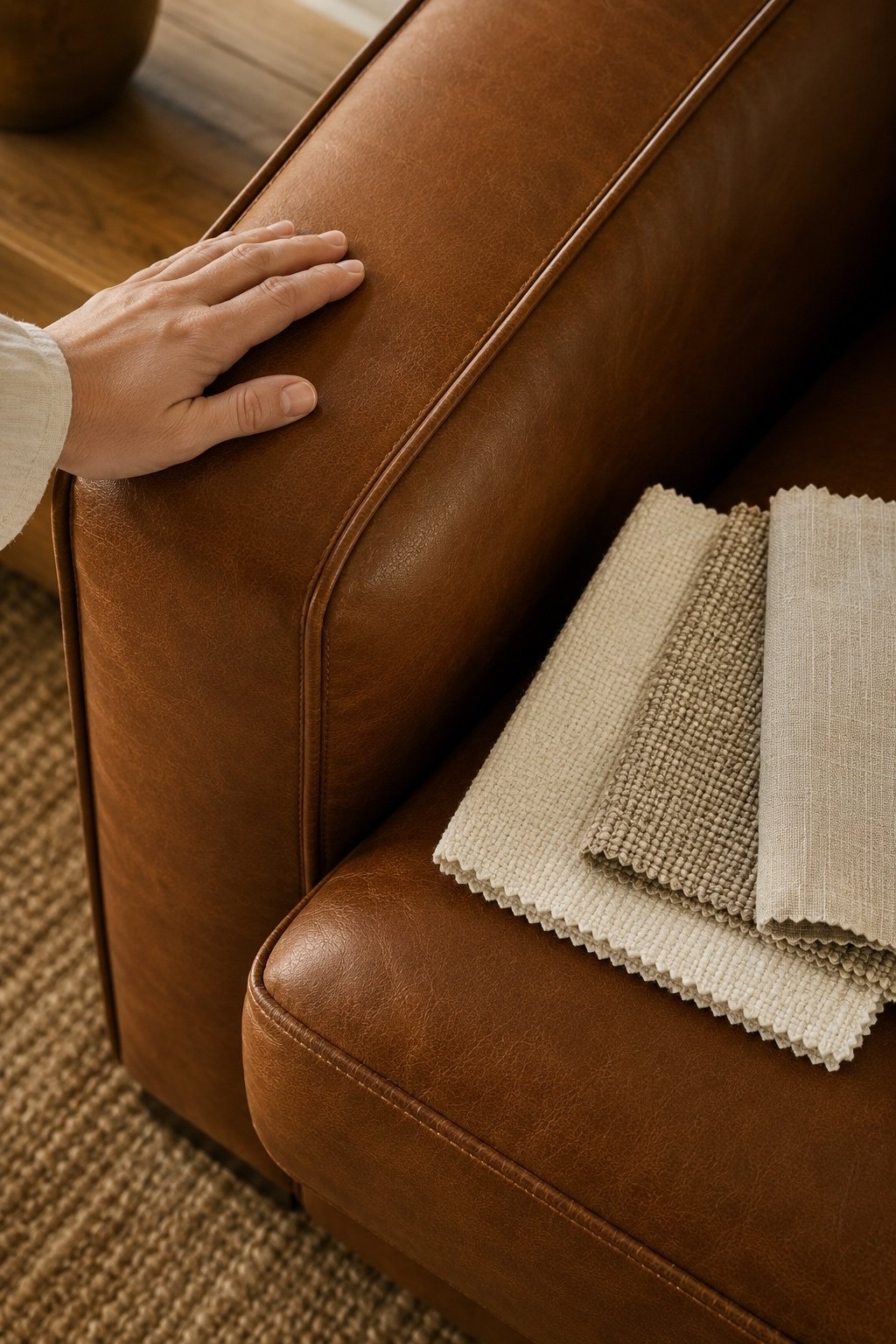
Top-grain leather costs more up front and looks better every single year. It’s the only sofa material with that trajectory. Avoid “bonded leather” entirely; it’s leather dust glued to fabric and it peels within a few years.
Linen and linen blends (best look, honest tradeoffs)
Nothing photographs like linen, and nothing wrinkles like it either. Pure linen suits low-traffic rooms and relaxed, rumpled styles; linen-poly blends keep most of the texture with far less maintenance.
Bouclé and chunky weaves (the trend pick)
Beautiful, tactile, very current, and a claw magnet. If you have cats, admire bouclé in other people’s houses.
Velvet (the mood pick)
Modern performance velvets are far tougher than their reputation. They hide wear well but show every speck of light-colored pet hair.
What sofas actually cost (and where the money goes)
Under $800: foam cushions, webbing suspension, softwood or mixed frames. Fine for a first apartment or a guest room; plan on replacing it in 3–5 years. At this tier, buy simple shapes: cheap construction hides better in clean lines.
$800–$1,800: the value sweet spot. Kiln-dried frames, sinuous springs, HR foam, and performance fabric options all become standard here. Most of the best-reviewed online sofas live in this range.
$1,800–$3,500: better fill (down blends), deeper customization (fabric, depth, configuration), modular systems, and top-grain leather entry points. You’re paying for longevity and options, and mostly getting it.
$3,500+: eight-way hand-tied construction, bench-made frames, designer names. Worth it if the sofa is your forever piece; unnecessary if you redecorate every five years.
When to buy: the sales calendar that actually works
Sofas run on a predictable discount cycle: Labor Day, Black Friday through Cyber Week, and Presidents’ Day are the three deepest moments, with July 4th close behind. New collections land in February and August, which means floor models and outgoing lines get quietly marked down in January and July. If you can wait six weeks for delivery anyway (and with most sofas, you will), time your order to one of those windows and save 20–30%.
The 60-second checklist before you order
- Seat depth matches how you actually sit (21″–23″ upright, 24″+ lounging)
- Two-thirds of the wall, and it clears every door on the way in
- Kiln-dried hardwood frame, corner-blocked joints
- Sinuous springs or better, no webbing-only suspension
- HR foam core cushions, wrapped if you like softness
- Fabric rated 25,000+ double rubs (or top-grain leather)
- Removable, washable covers if kids or pets share your life
- Ordered during a sale window, because the discount cycle is real
Print it, screenshot it, or just remember the first two: size and seat depth sink more sofa purchases than every other factor combined.
Read next: how the right rug size pulls the whole living room together. Our visual guide is coming soon.
Keep Reading
📖 9 Living Room Layout Mistakes (and the Fixes That Cost Nothing)
📖 The Right Rug Size for Every Room: A Visual Guide
📖 How to Buy an Accent Chair: The Five Numbers That Matter