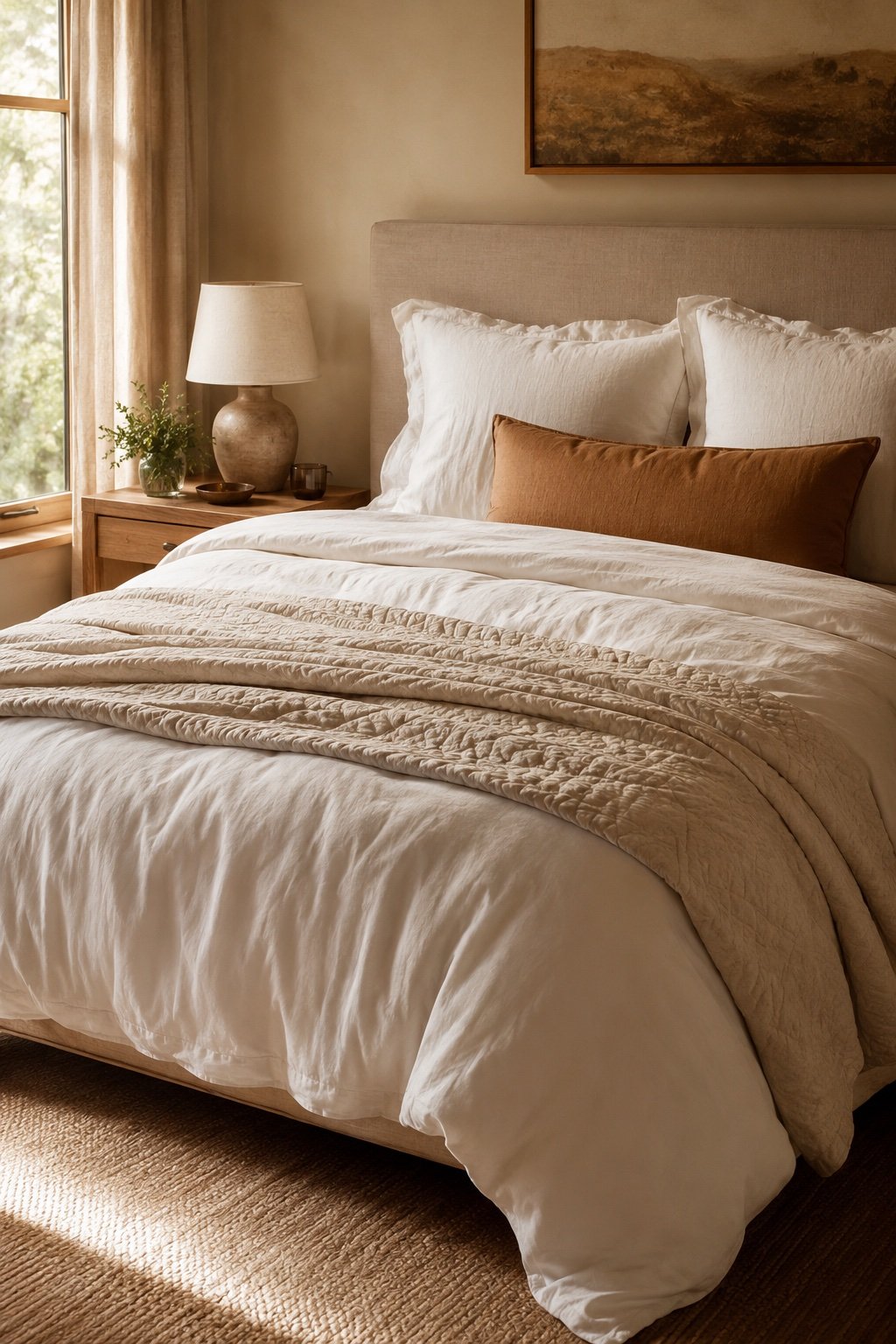
Think about the last hotel bed you did not want to leave: the weight of the layers, sheets that were crisp but soft, a bed that looked pulled together without looking fussy. That look is not about thread count or a designer label. The best cozy bedding comes down to layering, and it is completely reproducible at home for a fraction of the cost.
Here is the anatomy of a boutique hotel bed, layer by layer, where to spend and where to save, and how to make it in two minutes a morning.
The layering formula
From the mattress up: fitted sheet, flat sheet, a duvet with insert, a folded coverlet or blanket across the foot, sleeping pillows, and one accent pillow. Six layers, each doing a job. That is the whole trick, and it is why a hotel bed looks deep and inviting while a single comforter looks flat. (If the problem is the mattress itself, start with whether an expensive mattress is worth it.)
Layer 1: The sheets
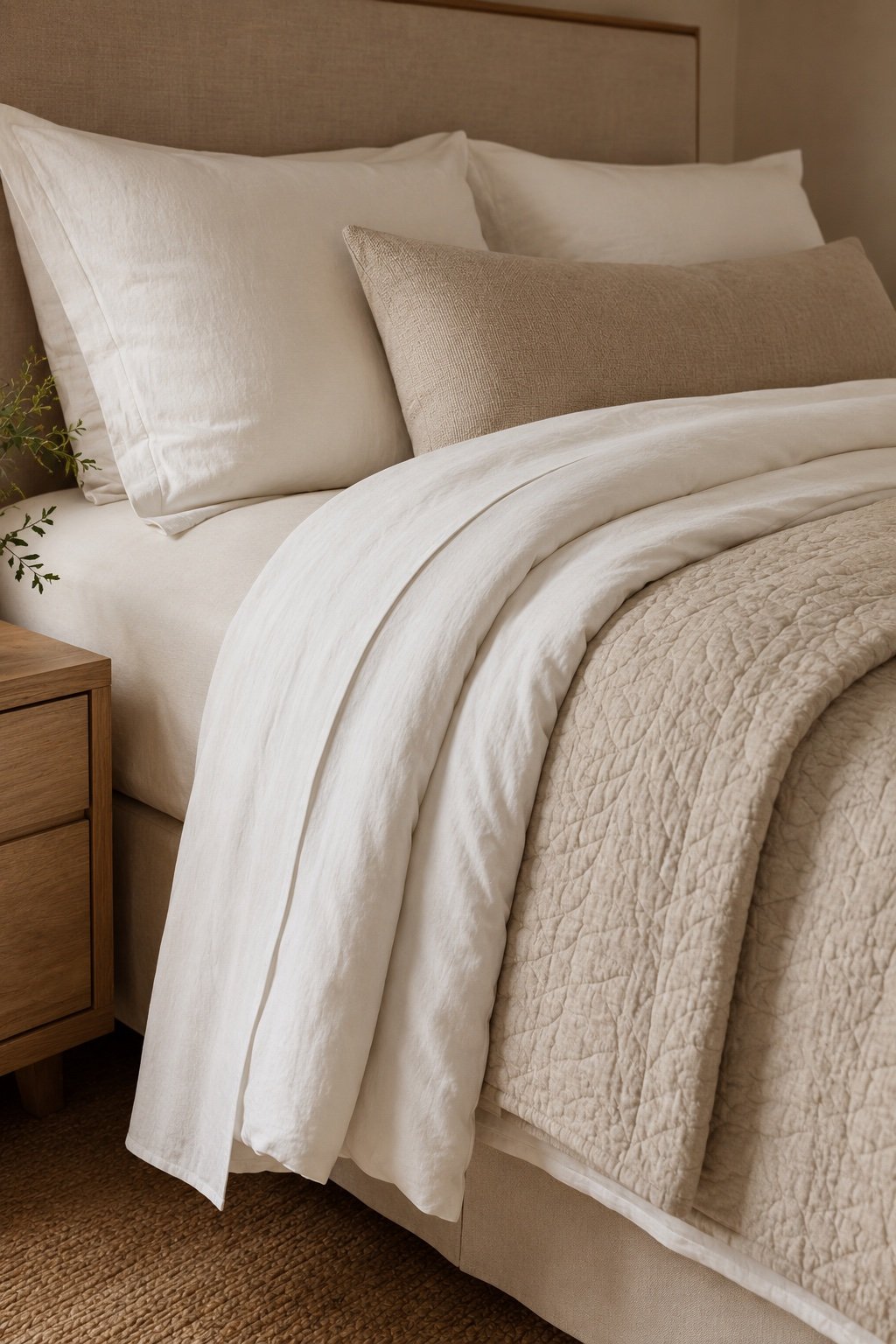
Go for the right weave, not the highest number. Thread count is mostly marketing above 400. What matters is the weave and the fiber.
- Percale: crisp, matte, and cool. The classic hotel feel, and the best choice if you sleep warm.
- Sateen: silky, a little shine, and warmer. Good for fall and winter.
- Linen: relaxed and textured, cool in summer and surprisingly warm in winter. It wrinkles, and that is the point.
- Flannel or brushed cotton: the coldest months. Soft from the first night.
The budget move. Buy a good white or oatmeal sheet set and skip the printed patterns. Solid, well-made sheets look more expensive than busy ones and go with everything. Two sets per bed is the right number: one on, one in the wash.
Layer 2: The duvet and insert
Why hotels use a duvet, not a comforter. A washable cover over a separate insert is what gives the bed that plump, tailored look, and it is far easier to keep clean. Choose a down-alternative insert if anyone has allergies or you want to wash it at home.
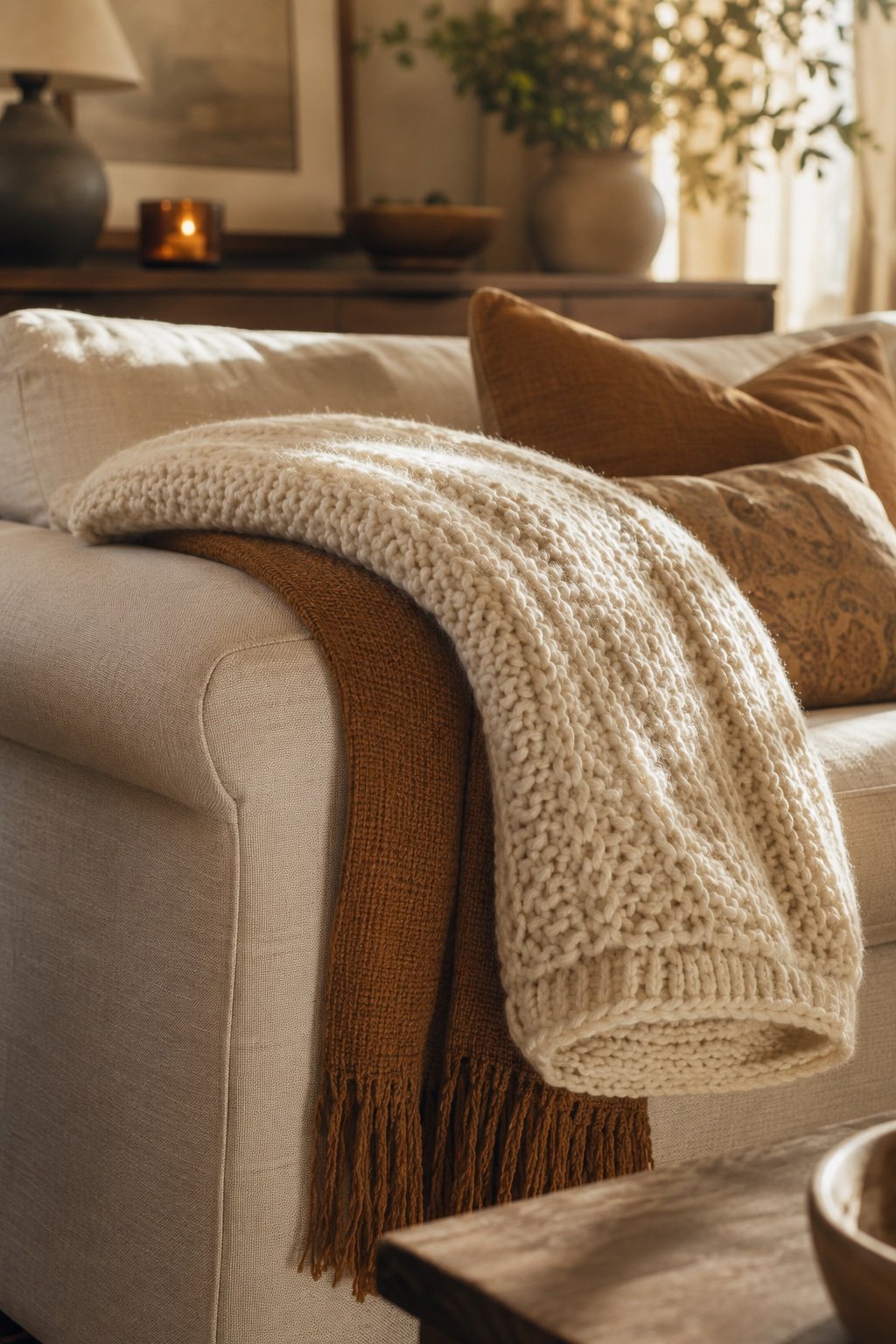
The fluff test. The insert should be one size up from your mattress, a king insert on a queen bed, so it drapes with weight instead of sitting flat. This one change does more than any other upgrade.
Match the weight to the season. Inserts come in light, medium, and heavy fills. A medium all-season insert plus a blanket you can add or remove covers most of the year better than a heavy insert you kick off at 2 a.m.
Layer 3: The coverlet or blanket
The folded blanket across the lower third of the bed is the layer most people skip, and it is the one that reads hotel. A matelassé coverlet, a waffle blanket, or a linen throw all work. Fold it in thirds and lay it across the foot.
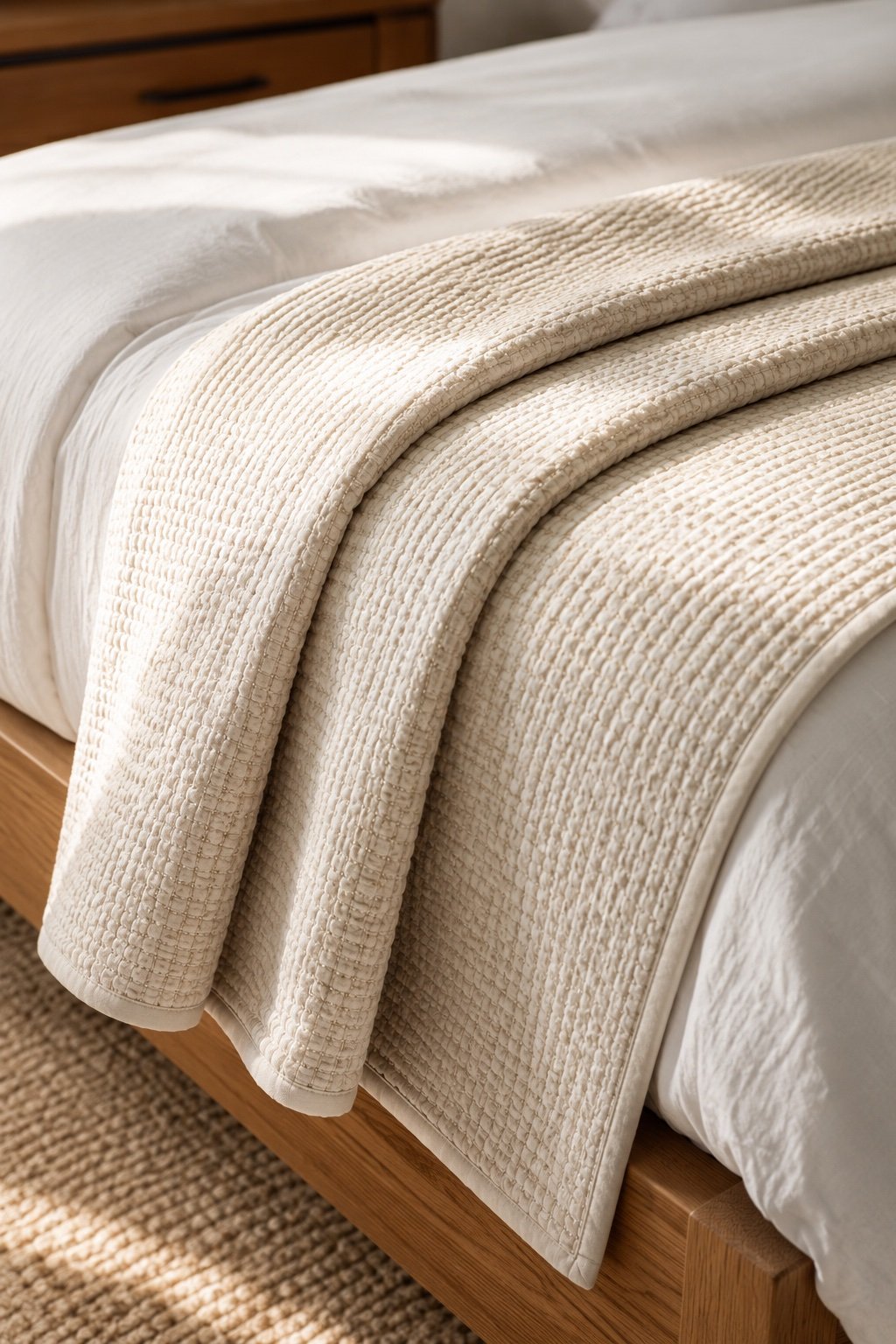
It is also the most practical layer: pull it up on a cold night, fold it back in the morning.
Layer 4: The pillows
Keep it simple. Two sleeping pillows per person, stood upright, and one lumbar or a pair of shams in front. Resist the mountain of decorative pillows. Hotels use fewer than you would guess, and you will thank yourself every night you do not move a pile to the floor.
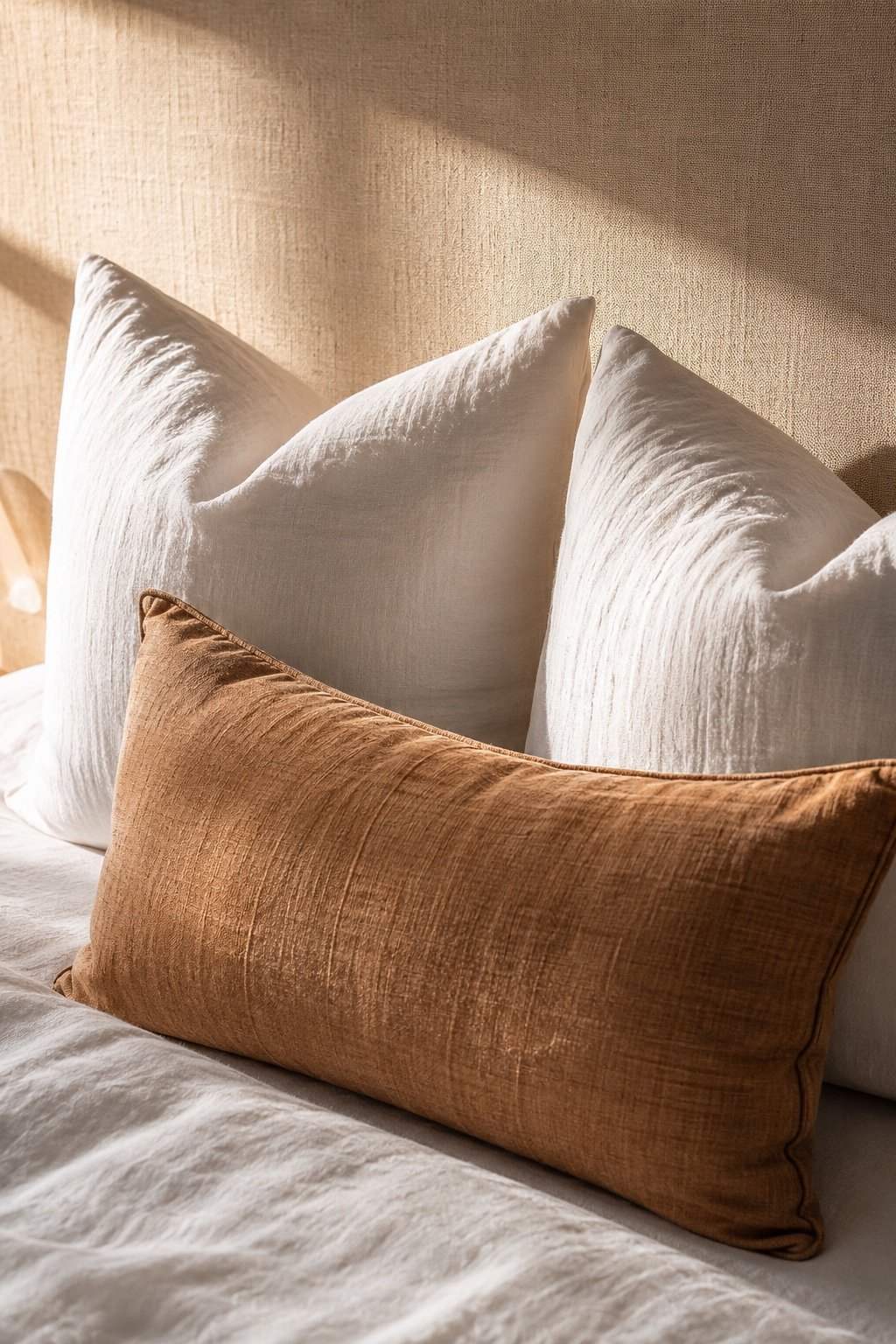
The upright trick. Stand your sleeping pillows against the headboard rather than laying them flat. Instant height and structure.
Getting the sizes right
Most beds that look off are one size wrong somewhere.
- Flat sheet: big enough to tuck at least 10 inches on each side. On a thick mattress, go one size up.
- Fitted sheet: check the pocket depth against your mattress plus any topper. A 14-inch mattress with a 2-inch topper needs a 16-inch pocket.
- Duvet insert: one size up from the mattress, as above. The cover matches the insert.
- Coverlet: it only needs to cover the top of the bed when folded, so the size that matches your mattress is fine.
Getting the color right
Stay tonal for the luxe look: white, cream, oatmeal, and one soft accent, a caramel lumbar or a sage coverlet. A tone-on-tone bed with texture doing the work looks far more expensive than a matched printed set. For the warm palette everyone is reaching for this year, see our guide to the caramel color trend.
Where to spend, where to save
- Spend on: the duvet insert and the sheets. You touch them every night, and a good insert lasts a decade.
- Save on: the coverlet and the accent pillow. They are mostly looks, and a budget waffle blanket does the job.
- Skip: bed-in-a-bag sets. The pieces are sized to match each other, not your mattress, and the insert is usually thin.
The five-minute makeover
Not ready to redo the whole bed? Do three things: add a folded blanket at the foot, size up your duvet insert, and stand your pillows upright. You will get most of the hotel look from bedding you already own.
Care, so it stays looking good
Wash the sheets and duvet cover weekly and the insert two or three times a year. Linen and cotton look better slightly relaxed, so this is the low-maintenance kind of made bed: pull up the sheet, shake the duvet flat, fold the coverlet, stand the pillows. Two minutes.
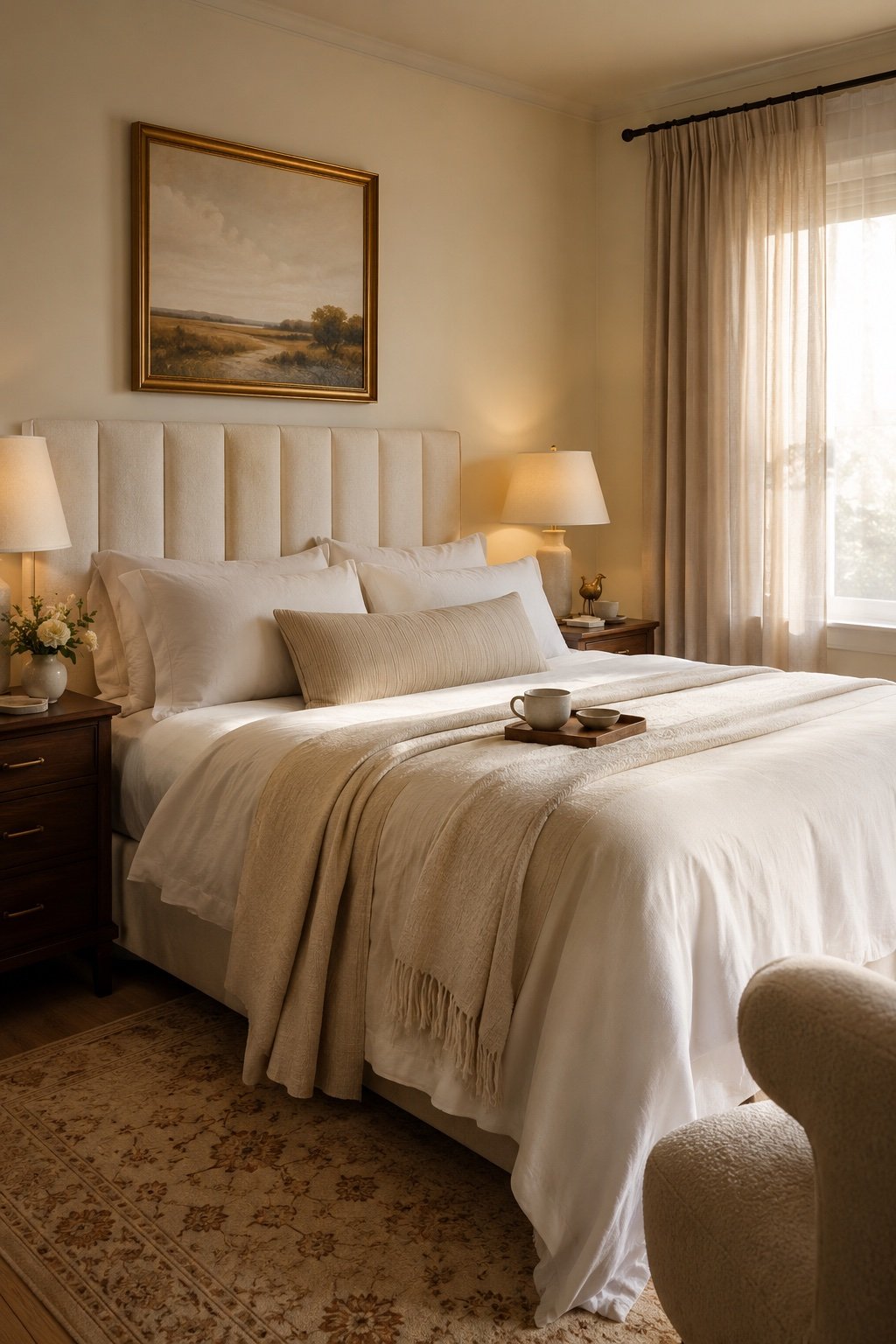
Pair the bed with the room around it in our warm minimalist bedroom ideas. If you only change one thing, size up the insert.
Keep Reading
📖 7 Dreamy Bedroom Ideas for a Room That Feels Like a Slow Sunday Morning
📖 The Guest Room Checklist: What People Actually Notice
📖 Nightstand Styling: The Five-Item Formula